cultura
What to See in Málaga in 2 Days: Itinerary and Prices
What to see in Málaga city: the Alcazaba and Gibralfaro, the Cathedral, the Picasso Museum, the Thyssen and the old town, with official.
Málaga
Málaga guide: museums, Alcazaba, Gibralfaro, beaches, and espetos on the Costa del Sol. Plan the August Fair and your cultural getaway.
Liisbet Luup en Pexels
Must-see
cultura
What to see in Málaga city: the Alcazaba and Gibralfaro, the Cathedral, the Picasso Museum, the Thyssen and the old town, with official.
cultura
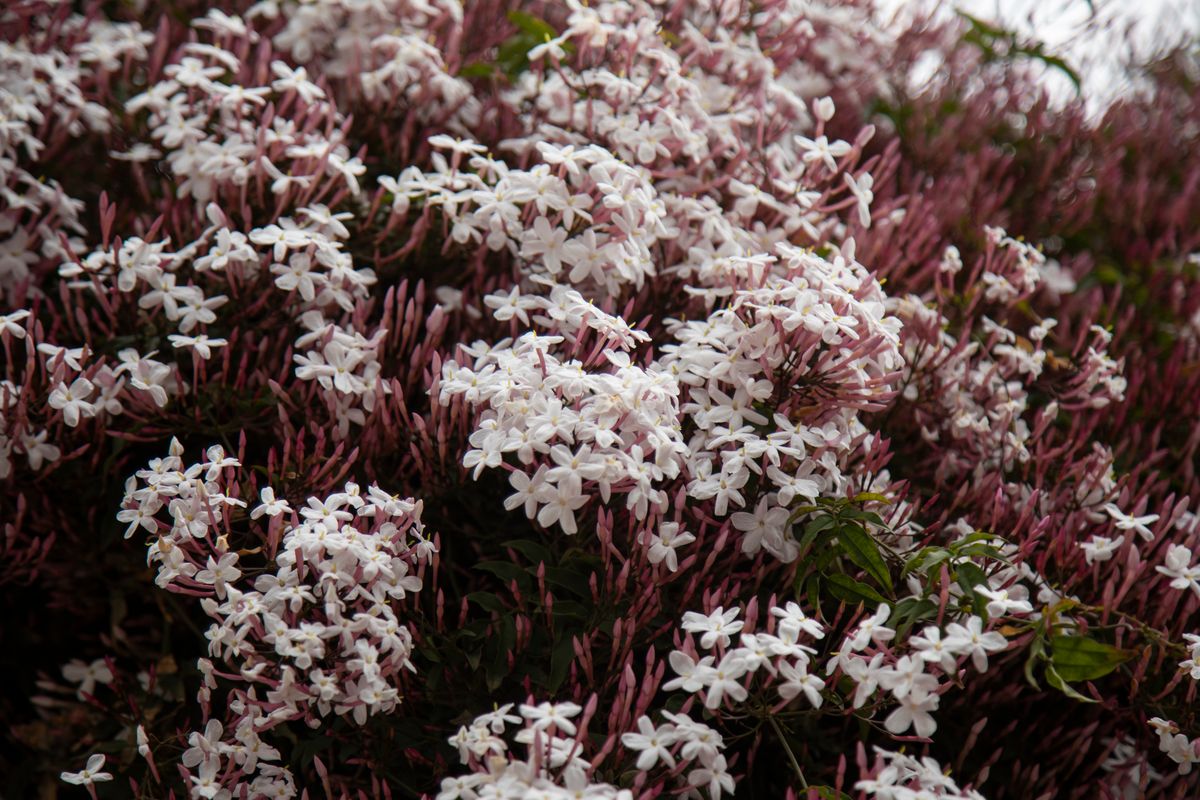
Explore the history of Málaga's iconic biznaga: handmade jasmine craftsmanship, the traditional biznaguero street seller, and Feria.
Routes and nature
Practical guide
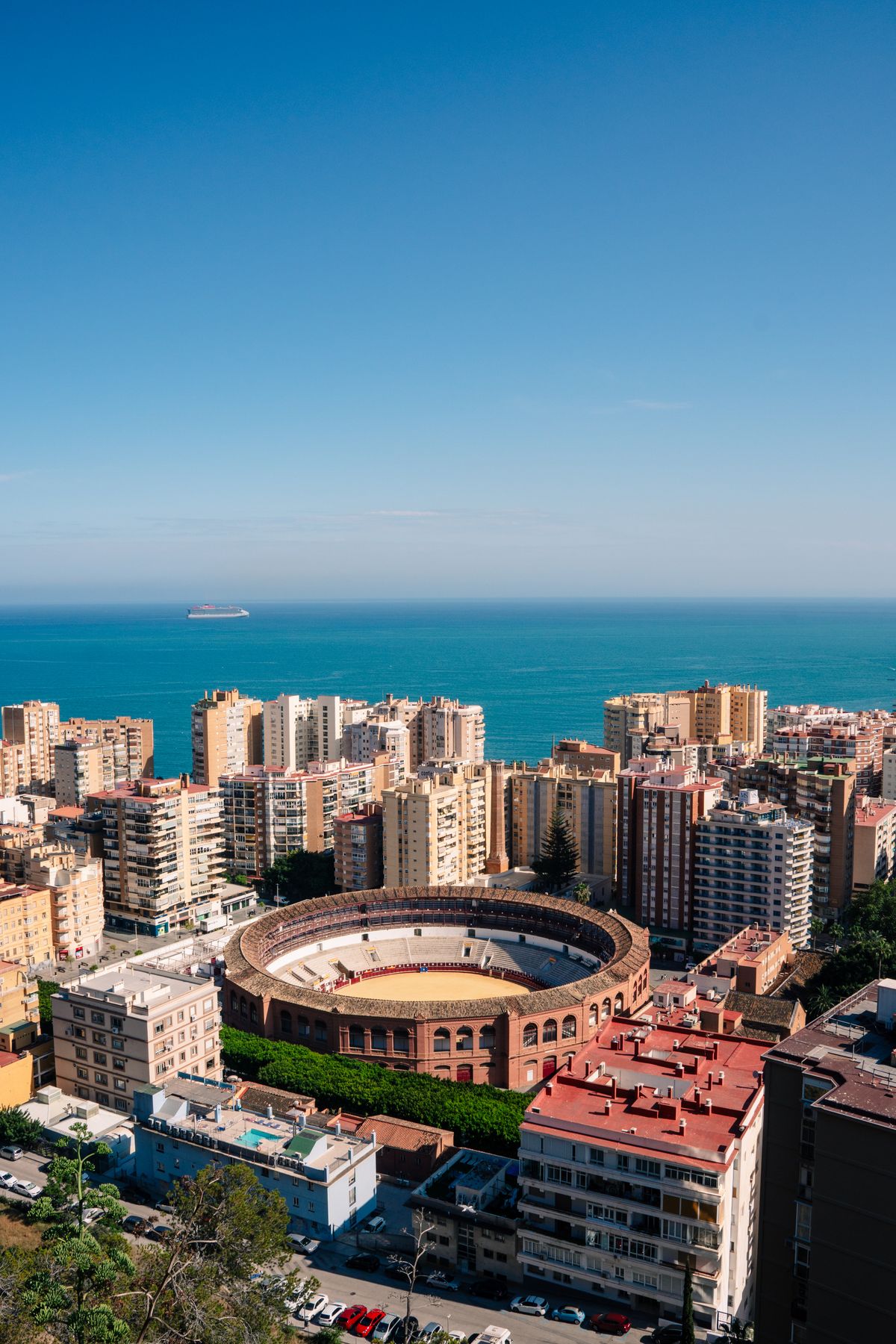
Málaga has undergone a transformation in the last twenty years. It used to be mainly the gateway to the Costa del Sol and the place where you rented a car to go to Torremolinos. Now the city competes with Madrid and Barcelona in museums: the Picasso, the Thyssen, the Pompidou, the CAC. It has three hundred days of sunshine a year, an alcazaba that is the Alhambra’s little sister, beaches a fifteen-minute walk from the centre, and a cuisine that revolves around sardine skewers and fried fish. If you had told me ten years ago that Málaga would be one of Spain’s leading cultural destinations, I wouldn’t have believed it. Now it makes sense.
The heart of Málaga is pedestrianised, elegant, and full of life at any time of day. Strolling along the iconic Calle Larios, the city’s main shopping artery, is the ideal starting point.
Málaga Cathedral, built on the former main mosque, is one of the gems of the Spanish Renaissance, though it also features Baroque elements. It is affectionately known by locals as “La Manquita” because one of its two main towers was left unfinished due to lack of funds. The interior is majestic, with highlights including the impressive choir stalls and its gardens.
Málaga boasts one of the most impressive defensive monumental complexes in Spain:
Nowadays, Málaga is synonymous with culture. The city is home to more than three dozen top-tier museums:
The city has opened up to the sea thanks to the recent redevelopment of its port area.
Eating in Málaga is a celebration. Malaga cuisine is based on fresh produce from the sea and its fertile hills.
Thanks to its subtropical Mediterranean climate, Málaga is an ideal year-round destination.
Málaga has it all: history, museums, beach, and bars where the tapa is still generous. It isn’t the most monumental city in Andalusia, but it’s one of the best to experience.
If you want to continue your route, the Granada guide is an hour and a half by car, Córdoba is an hour by AVE, and Almería is two hours to the east.
How many days do I need for Málaga? Two full days for the historic centre, the Alcazaba, Gibralfaro, and a couple of museums. Three if you want to add a beach day at the chiringuitos in Pedregalejo.
Is Málaga worth it if I already know Granada and Seville? Yes. It’s a different experience: less monumental, more street life, museums, and beach. All three together form a triangle that covers the diversity of Andalusia well.
Is it safe to swim at La Malagueta beach? Yes. It’s an urban beach with all the facilities. If you’re looking for more natural beaches, those in the eastern province (Nerja, Maro) are better.